.png)


T
he Proverbs Collection is a stylistic compilation, featuring a single or a few verses from each of the thirty-one chapters of the Biblical book of Proverbs. This ancient text, attributed to King Solomon, has been inspiring readers to reflect on enduring principles of righteous living and personal growth for thousands of years. Each verse for the Collection was meticulously selected to elicit a deep emotional and spiritual connection to timeless wisdom in the context of the modern world.
Chapter Eight:
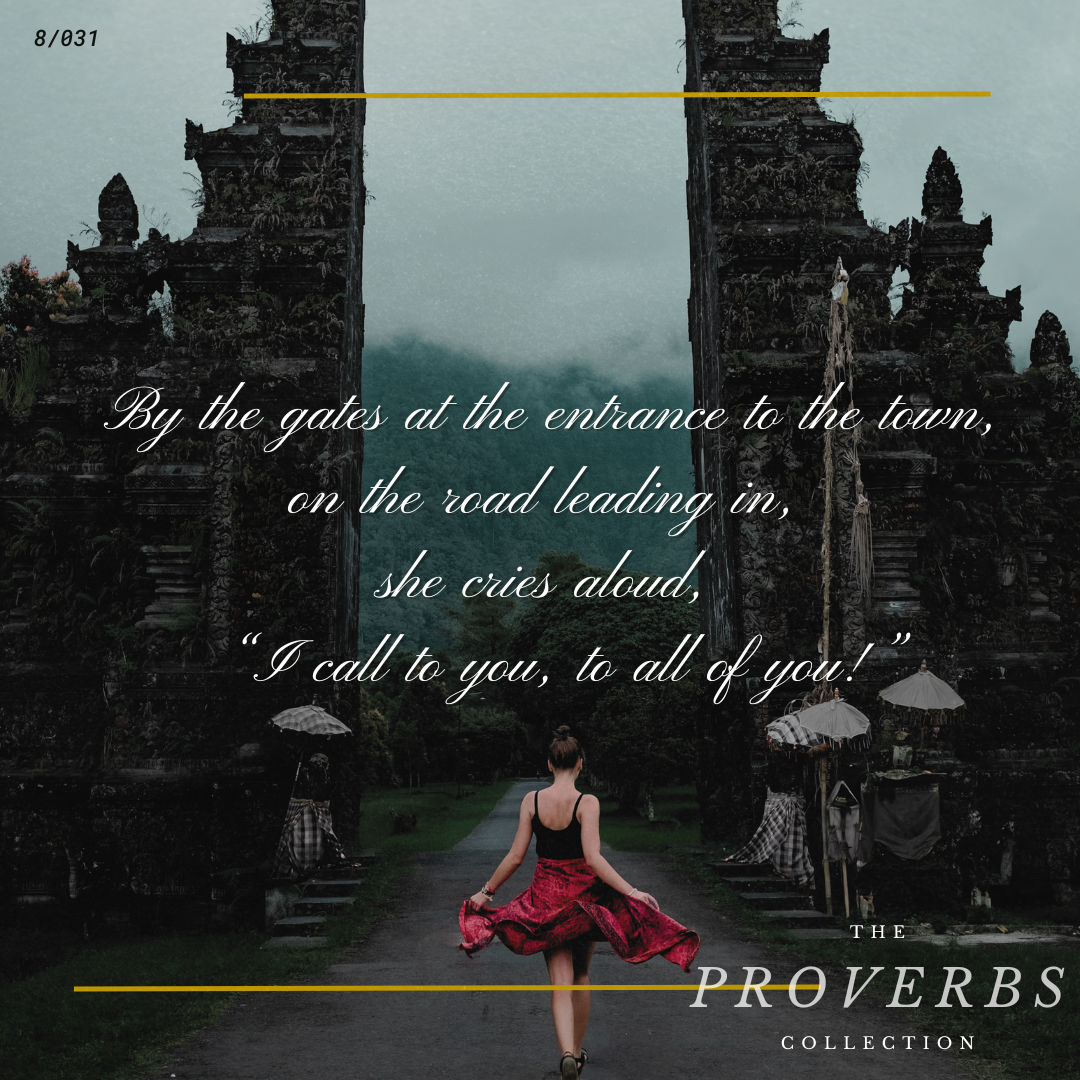
- Verse Three - "By the gates at the entrance to the town, on the road leading in, she cries aloud, 'I call to you, to all of you!'"
- Wisdom still stands at the Old Gate, calling us back to the ancient paths of God. Moving forward many times requires repairing what was established long ago rather than replacing it with something new.
Chapter Nine:
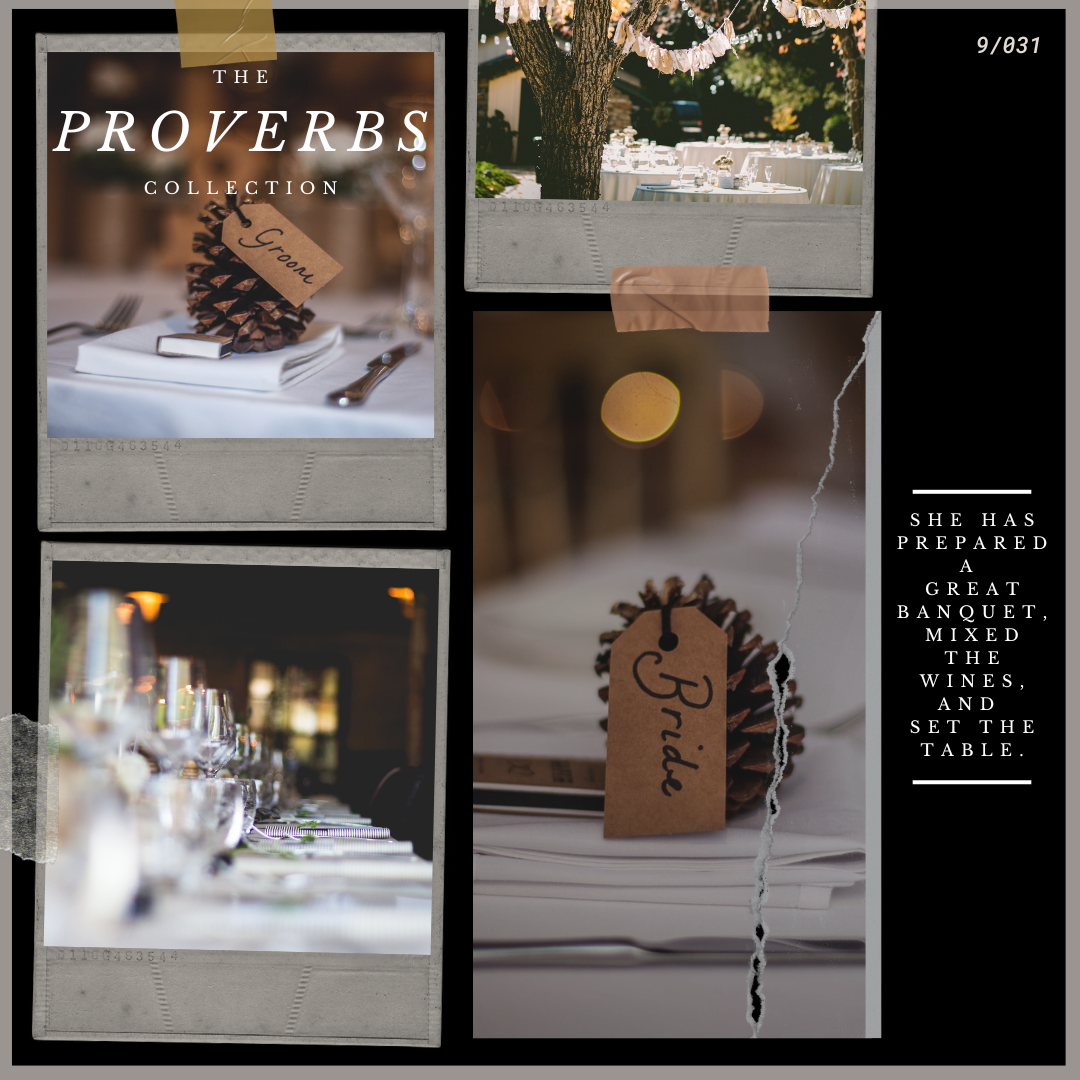
- Verse Two - "She has prepared a great banquet, mixed the wines, and set the table."
- Scripture continually connects food, fellowship, covenant, remembrance, and worship. From Passover to Tabernacles to Yeshua breaking bread, the table becomes sacred space where God’s people remember who they are. Biblical worship was never meant to engage the mind alone, it engages the whole person and all our senses. We taste and smell the meal, hear the words, see the symbols, and physically participate, allowing remembrance to become an experience.
Chapter Ten:
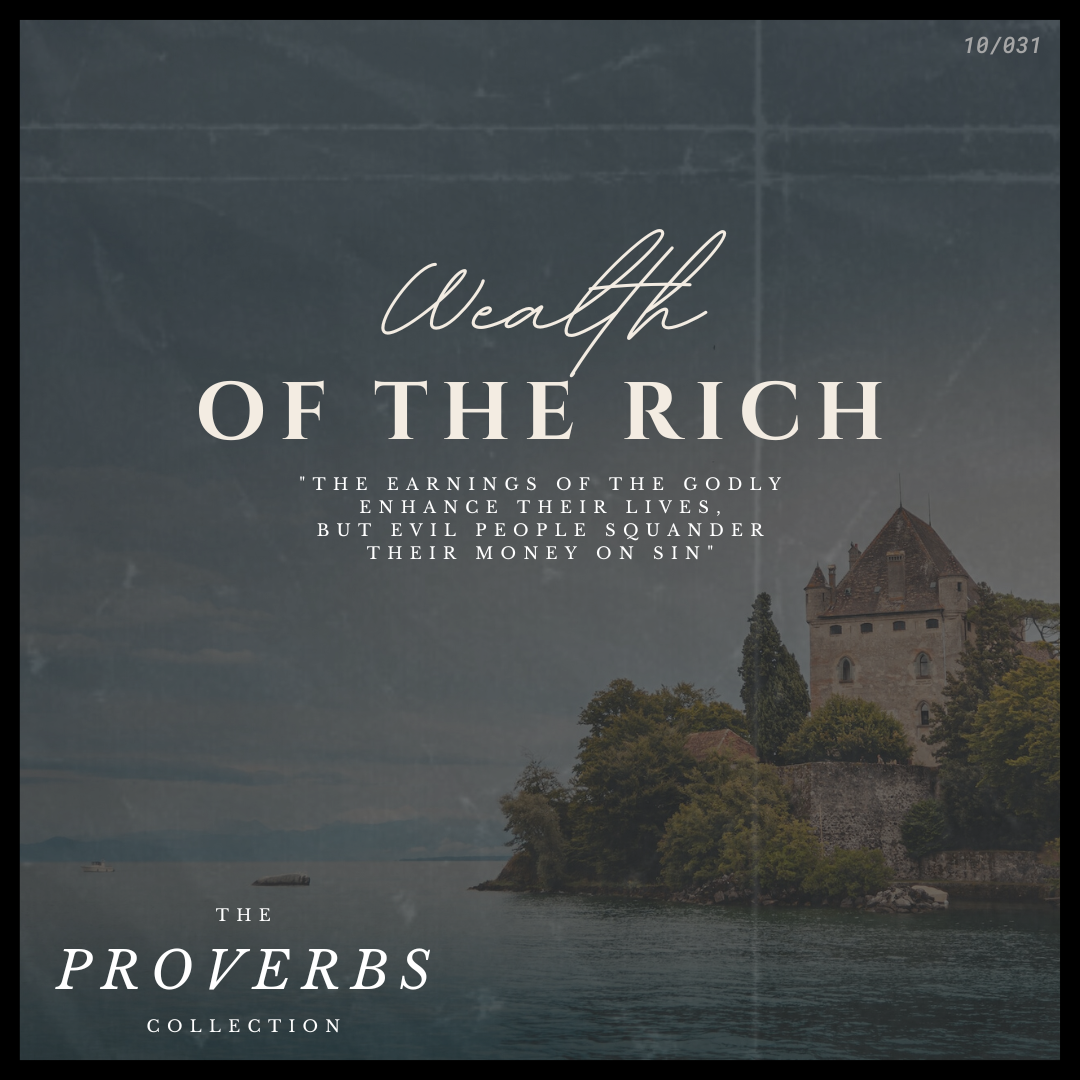
- Verse Sixteen - "The earnings of the godly enhance their lives, but evil people squander their money on sin."
- Dor L'Dor — From Generation to Generation — Scripture repeatedly thinks beyond the individual lifespan. Blessing moves from fathers to children and grandchildren. The world teaches us to build a fortune; Scripture teaches us to build an inheritance. Even the firstborn’s double portion was not simply greater wealth, but greater responsibility to carry the household, its name, its inheritance, and ultimately its faithfulness to God into the next generation.
Chapter Eleven:
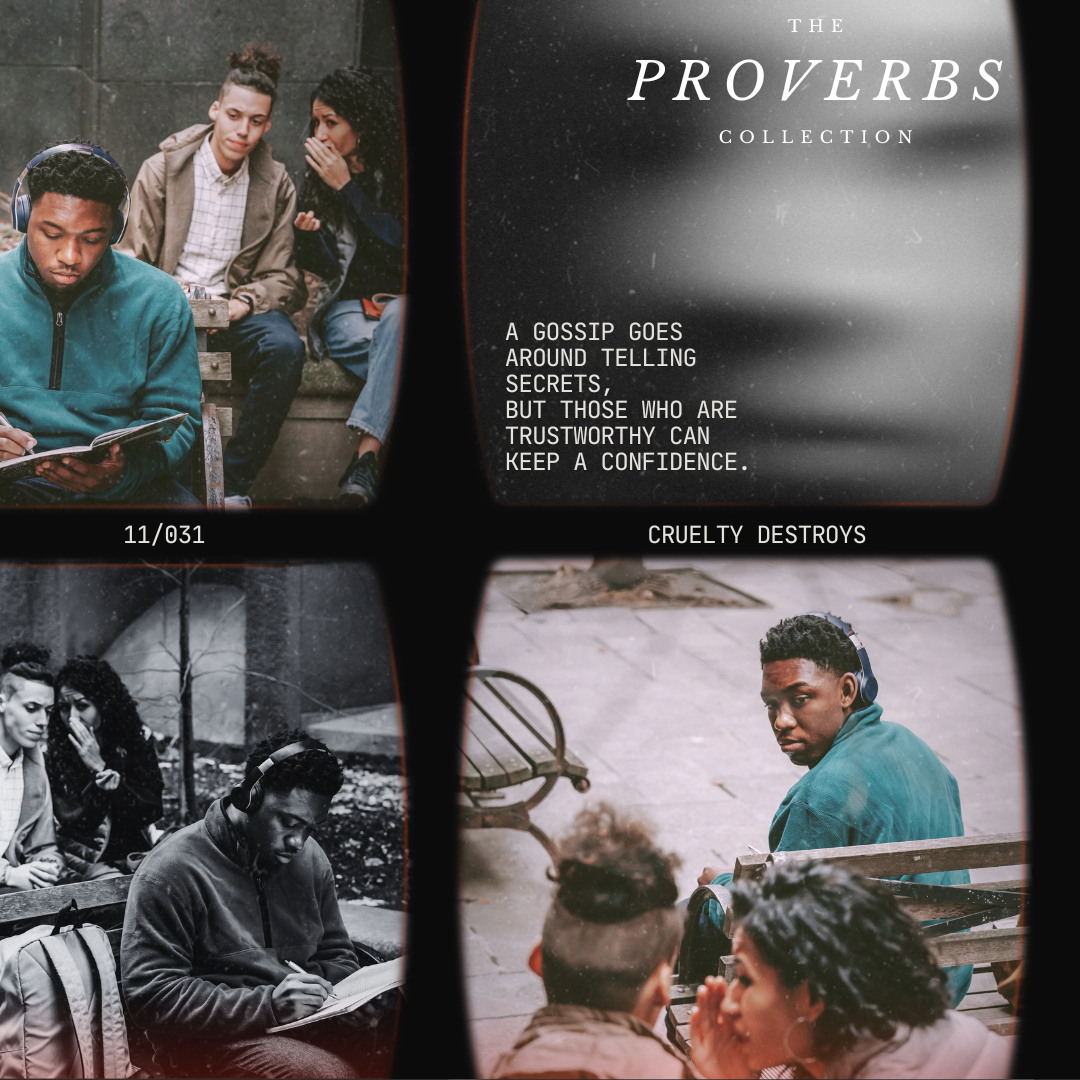
- Verse Thirteen - "A gossip goes around telling secrets, but those who are trustworthy can keep a confidence.'"
- The “evil tongue,” or lashon hara — harmful speech about another person, even when the words themselves are true — reveals the devastating power of speech. Words cross the invisible boundary between thought and creation: what once existed only within one person is released into the world and begins living within others. Once evil speech crosses that threshold, its destruction can multiply far beyond the reach of the one who released it.